Mental Health (& Parenting) Tips from an Unlikely Source: The Wild Robot
⚠️ Need a heads-up? This post takes about 9 minutes to read silently (or 18 aloud)
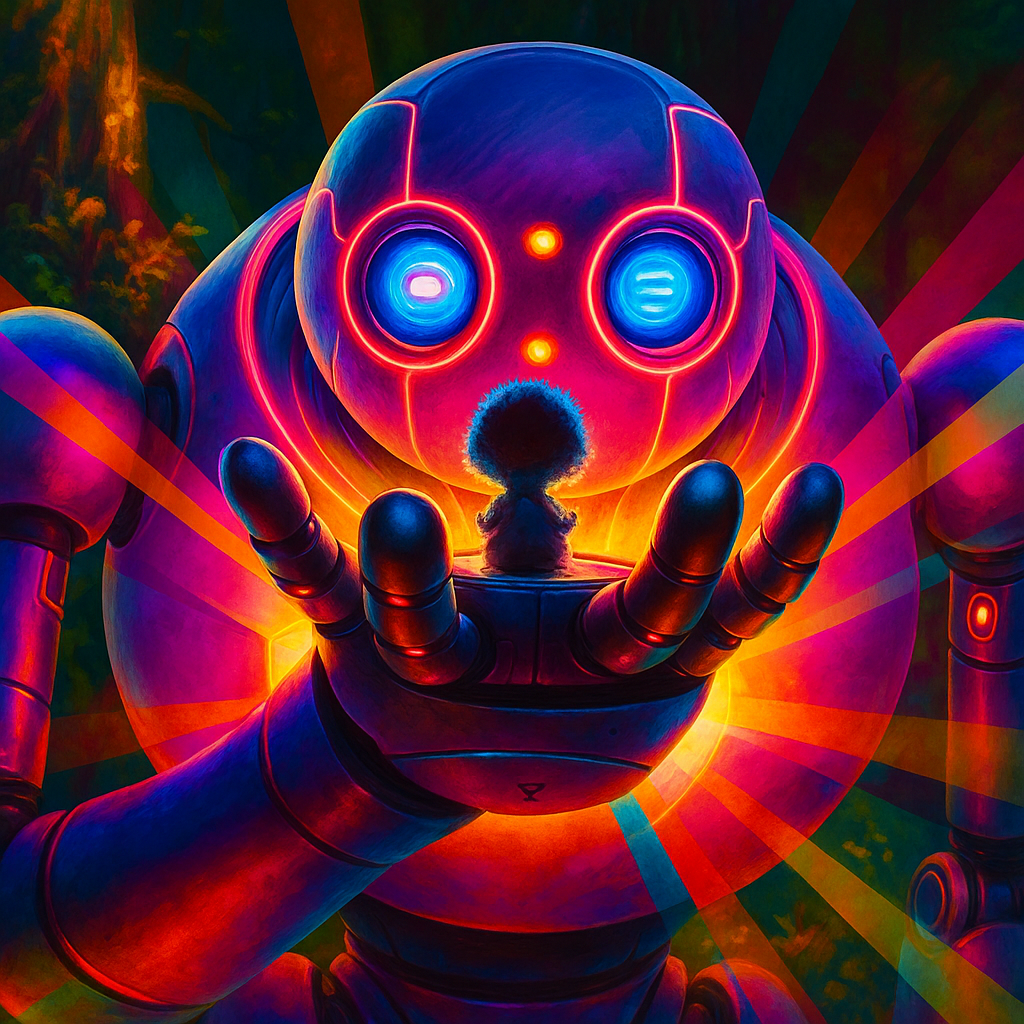
The Wild Robot meets Mental Health
A parenting story about a metal mother who didn’t ask for any of this… and loved her way into becoming a wonderful mother anyway
The 2024 DreamWorks film The Wild Robot, based on the books by Peter Brown (which I have yet to read, but have heard are wonderful), is a heartwarming banger of a flick. I literally recommend this movie to every parent who is open to reccs. It’s got humor, heart, a stunning animation style, and a killer soundtrack. And best of all, SOOOO many lessons we can take away, and that’s where this post is headed, so buckle up.
The Wild Robot is one of those stories that sneaks past your defenses. At first it just seems like it will be kind of a silly kid movie about a robot learning to be a wild animal or something, but, NOPE, it is so much more than this. It’s a therapy movie in disguise, and man, do I LOVE those!
The story follows a robot named “Rozzum” (later “Roz”) who crashlands on an uninhabited (by humans anyway) island and must learn to survive in the wild and learn her place in this new world among a menagerie of wild animals, when she unexpectedly becomes the adoptive mother of a newly hatched gosling. How can you go wrong, right??
Roz doesn’t start out maternal at all. She doesn’t even start out emotional. She begins as a machine designed for efficiency, logic, and problem-solving… and then she accidentally becomes a mother.
Throughout the movie, parenting the gosling, BrightBill, changes her. Love rewires her completely. Community shapes her. And somewhere along the way, she transforms from a robot who just performs menial tasks into a loving parent who overcomes her initial status among the animals as a “monster” and builds a new culture and embraces all the animals of the island as her community.
I will not lie to y’all. This movie messes me up every time I watch it. I have accrued ZERO desensitization whatsoever in my dozen or so viewings, and I don’t even care. I cry every single time, but like, in the BEST way. This post is for the parents, the ND adults, the adoptees, the stepkids, the exhausted caretakers, and the “I never had a model for this, but I’m trying anyway” crowd.
This movie embodies an idea I try to instill in clients every chance I get:
We are ALL growing up at the same time.
(For more on this, check out my blog post on how the Liminal Spaces tell us where we need to grow)
And that rings true for Brightbill and Roz (and hell, the whole island really). And it’s true for you too. You are doing this for the first time, and so is your mom, and so are your kids. We are ALL just here trying to figure it all out as we go. With all that being said, and the stage set, let’s get into it…
9 Mental Health Lessons from Roz, the World’s Most Accidentally-Perfect Parent:
1. Parenting Is Just Repairing the Mistakes You Made Five Minutes Ago
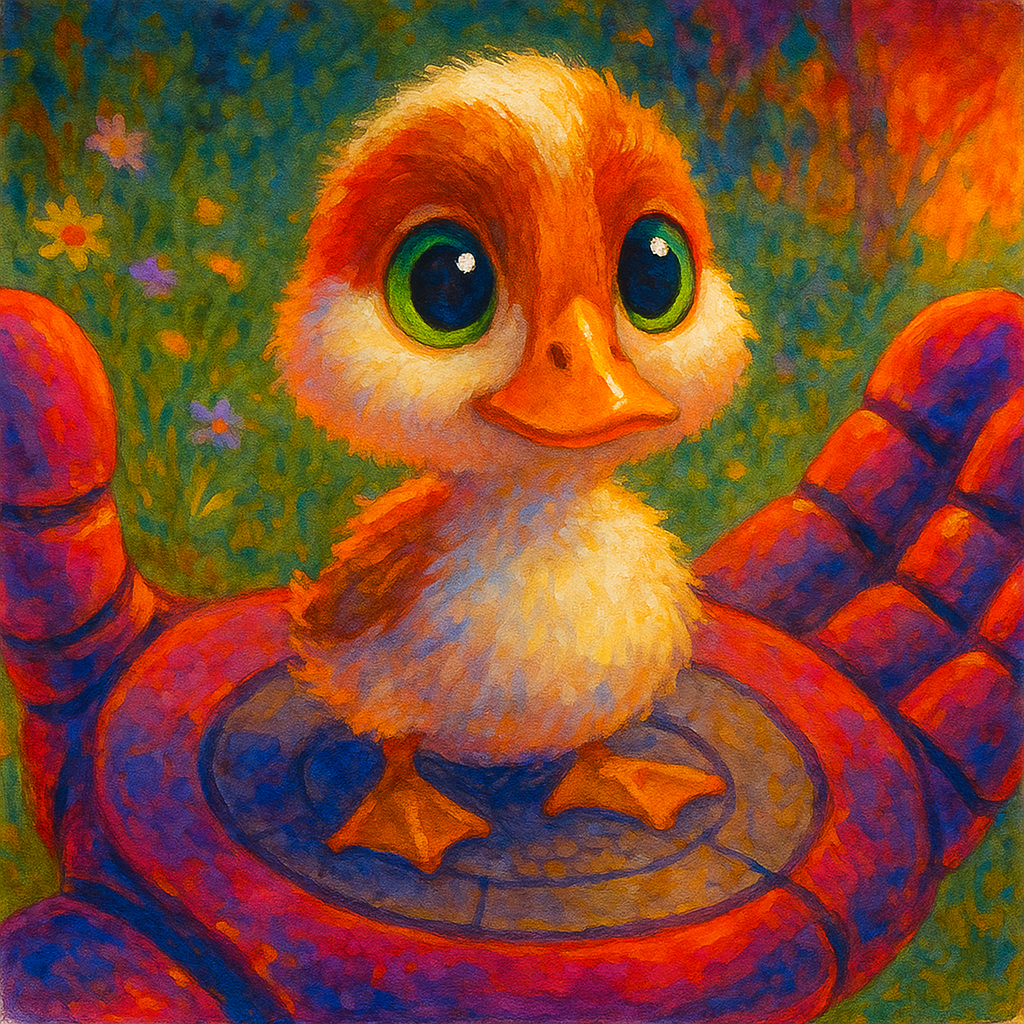
(Scene: Roz’s painfully awkward early attempts at caring for Brightbill)
Roz is not good at parenting at first. She was wired and programmed to fulfill small tasks, and move on to new ones, so raising an orphan gosling is not exactly in her repertoire. She feeds him wrong. Holds him weird. Almost crushes him. She’s doing her best with zero blueprint. And I don’t think there is a parent out here who doesn’t remember those early days with a new baby and feeling like, “I have NO idea what I am doing”. So, it’s pretty relatable.
Even before he hatched she felt such a strong urge to protect him (specifically from being devoured by the conniving fox, Fink, who we later come to really love).
But here’s what matters: She repairs every single time.
In therapy, we often say: Connection grows in repair, not perfection. (For more on how to repair after conflict, check out this post!)
Roz proves this over and over. Every mistake she makes becomes a moment of closeness because she keeps trying, keeps adjusting, and keeps humbling herself.
Good parenting isn’t flawless.
It’s responsive.
2. You Don’t Need a Childhood Model to Be a Good Parent
(Scene: Roz watching the other animals know instinctively what to do)
Roz never had a parent. She was never held, soothed, taught, or guided, and never witnessed any of these things as far as we can tell, either. She came into the world fully grown and fully clueless.
If you didn’t grow up with healthy modeling, it can feel terrifying to raise a child.
But Roz shows us something comforting:
You can build the blueprint while you’re using it.
You can learn attunement from scratch. You can learn softness as you give it. You can create generational healing that starts with you. Your past explains your instincts, but it doesn’t imprison your future.
3. Checklist Parenting Isn’t the Same as Cultural Parenting
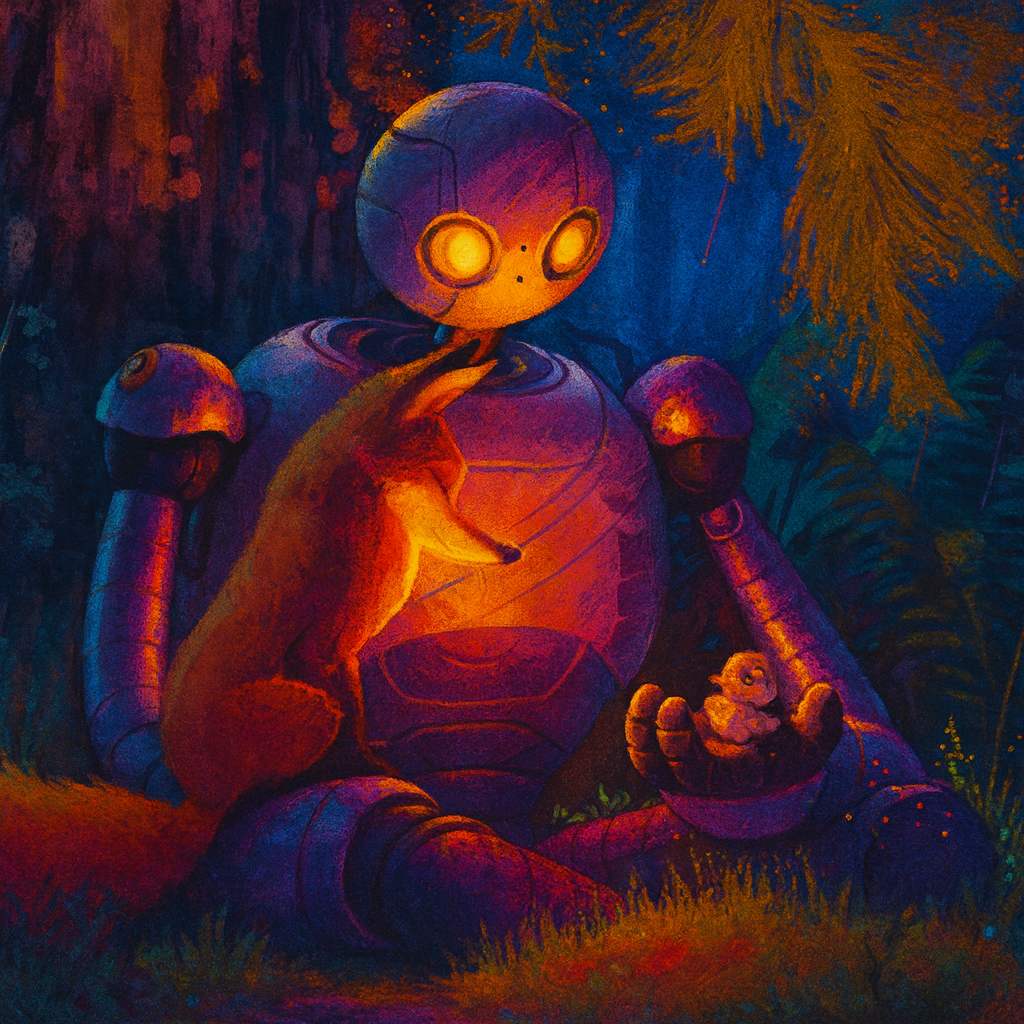
(Scene: Roz helping animals using tasks but totally missing the relational vibe)
Early in the story, Roz treats care like a to-do list:
Identify problem
Apply solution
Slap a personalized sticker on your subject and Move on
The animals hate it. Not because her actions are wrong, but because the culture of care is missing.
Checklist thinking is concrete, predictable, and safe (especially for ND adults). But relationships aren’t a collection of tasks to complete. Relationships require a culture. Culture of love and caring, and understanding (or at the very least, attempting to understand).
Culture in this context is:
tone
warmth
repair
pacing
humor
rituals
security
emotional texture
shared meaning
This is something I talk about with clients all the time, especially my black and white thinkers and checklisters:
“What is the culture of you? What is the culture of your relationship?”
Roz learns this concept slowly - shifting from doing tasks at others to living in relationship with them. It’s the difference between “I completed the list” and “you feel loved in my presence.” Her rearing of Brightbill begins as a checklist and, along the way, transforms into full-blown parental love.
4. Missing-Parent Grief Is an Identity Wound, Not Just an Absence
(Scene: Brightbill sensing he’s different, longing for goosehood)
Brightbill is motherless the moment he hatches. His biological mother had passed away before he could ever have known her. This creates a specific grief - not just for the loss of a parent, but for the identity he never got to grow into.
Children with missing, estranged, deceased, or emotionally absent parents often grieve:
the version of themselves they might’ve become
the culture they never inherited
the blueprint they never received
the belonging that was supposed to be theirs
the “what if” life that could have been
And when a replacement parent enters the scene (foster, adoptive, step, or chosen) the grief gets even more complex:
guilt
loyalty binds
confusion
longing for roots
fear of hurting the parent who did show up
identity fragmentation
Brightbill loves Roz deeply, he sees her trying, and also is very kindly aware of her shortcomings as a goose-parent. But he still needs to understand where he comes from and follow his biological imperatives, including belonging and migration.
And Roz doesn’t take this personally. She supports his identity journey instead of competing with it.
That’s secure attachment.
5. “I Could Use a Boost” - The Quiet Cry for Help Every Parent Knows
(Scene: Roz helping and watching Brightbill take off on his first migration)
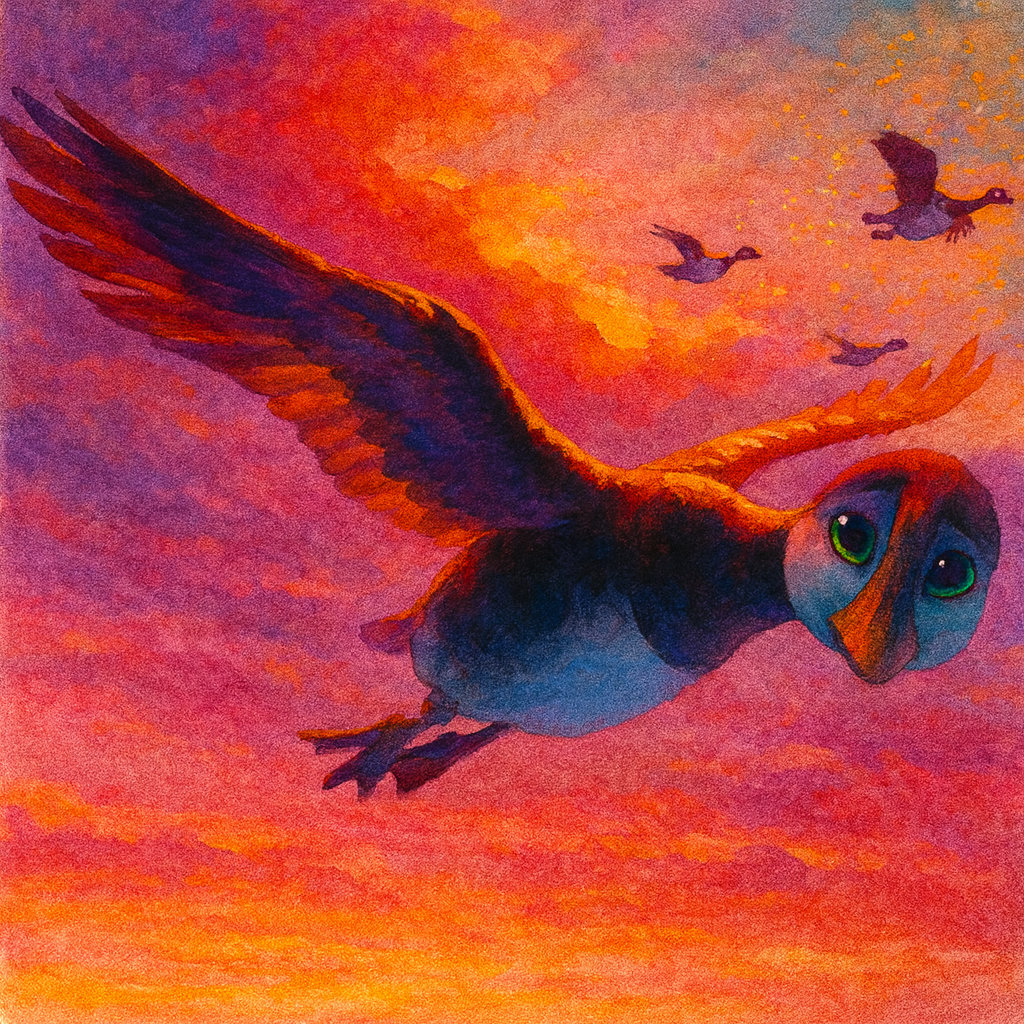
This song wrecks me for a reason. (And I am being so serious, my kids laugh and tease me because I can’t even listen to this instrumental track without BOO-HOOing. I can just picture that moment from the movie and what it means, especially as a parent who has her own “gosling” who has fledged.)
It’s the soundtrack of:
achievement
change
grief
pride
“I’m supposed to be the strong one”
and “How do I do THIS PART now?”
Roz starts out a little put off by raising Brightbill, she didn’t sign up to mother, and definitely wasn’t programmed for it. She wants to be competent and complete the task. She wants to do everything right. She wants to care perfectly. But this task is not the same as all the silly surface-level ones that she was programmed for.
It’s tender and devastating because it speaks to the parent who never had anyone to boost them. It speaks to the ND adult who struggles to ask for help. It speaks to the adoptee, the stepkid, the perfectionist, the caretaker.
It’s the moment Roz stops performing caregiving
and starts feeling caregiving, right as it flies away.
And it’s the moment the audience realizes:
She isn’t just checking boxes anymore, she is invested. She is seeing her child soar when the odds were stacked against him and realizing just how much she will miss him.
(and MAN, when she just sits there and waits even after the snow has come, Ooof! this is what parenting an adult child feels like for sure)
And if that moment doesn’t get you, this next one will…
6. True Love Requires Humility - “I Don’t Know Enough, But I will find you the help you need.”
(Scene: Roz seeking help from Longneck, an older, experienced goose who tells her what Brightbill will need to be ready for the migration in time, and Thunderbolt, a peregrine falcon, to teach Brightbill to fly)
One of Roz’s greatest acts of love is admitting:
“My child needs something I cannot give him.”
She goes to other mothers. Mothers of other species, other cultures, and other nervous systems, and she learns from them. She is humble enough to turn to others and ask for help and guidance, and allows community to become part of her parenting.
That’s parental ego death in the best way.
A lot of parents fear being replaced. A lot of ND parents fear inadequacy. A lot of traumatized parents fear not being enough. But Roz shows the truth:
Your child doesn’t need you to be everything.
They need you to be humble enough to build a village.
Humility is love.
Community is survival.
7. Love Makes You Braver Than Logic Ever Will
(Scene: Roz protecting Brightbill with an intensity she was never programmed for)
Roz was not designed for fear or courage. She was designed for function. But love rewrites her code. She becomes braver than logic would ever allow; sacrificing herself, stepping into danger, making choices no algorithm would approve of.
Parents do this instinctively:
you step in front of danger
you fight for your child
you keep going even when you’re overstimulated, exhausted, dysregulated, or just done (For some tips and tricks for managing anxiety and overwhelm, check out this post about building an Anxiety First Aid Kit)
Love expands your capacity.
It turns survival into devotion.
8. Letting Them Become Themselves Is the Hardest Part of Love
(Scene: Brightbill wanting to fit in and migrate with his own species, even if it means leaving his adoptive mother behind)
Oof. This one hurts big time.
Brightbill needs to fly south. He needs to follow the geese. He requires a life that doesn’t revolve around Roz, not because of her, but because it’s just his time to move on and be a goose now, and not a gosling anymore.
And instead of clinging… She lets him go. Even though she loves him, even though she is scared, even though she knows she can’t be there to protect him, she lets him go, because that’s where he belongs. That’s his next step.
Because that’s the final task of parenting:
supporting the person your child becomes, not the version you imagined.
It’s hope. It’s grief. It’s pride. It’s love. It’s release. Even if it feels like it might kill you.
Roz teaches us that letting someone grow is the most profound act of attachment.
9. When Your Child Thrives Without You, It’s Not Rejection - It’s Good Parenting
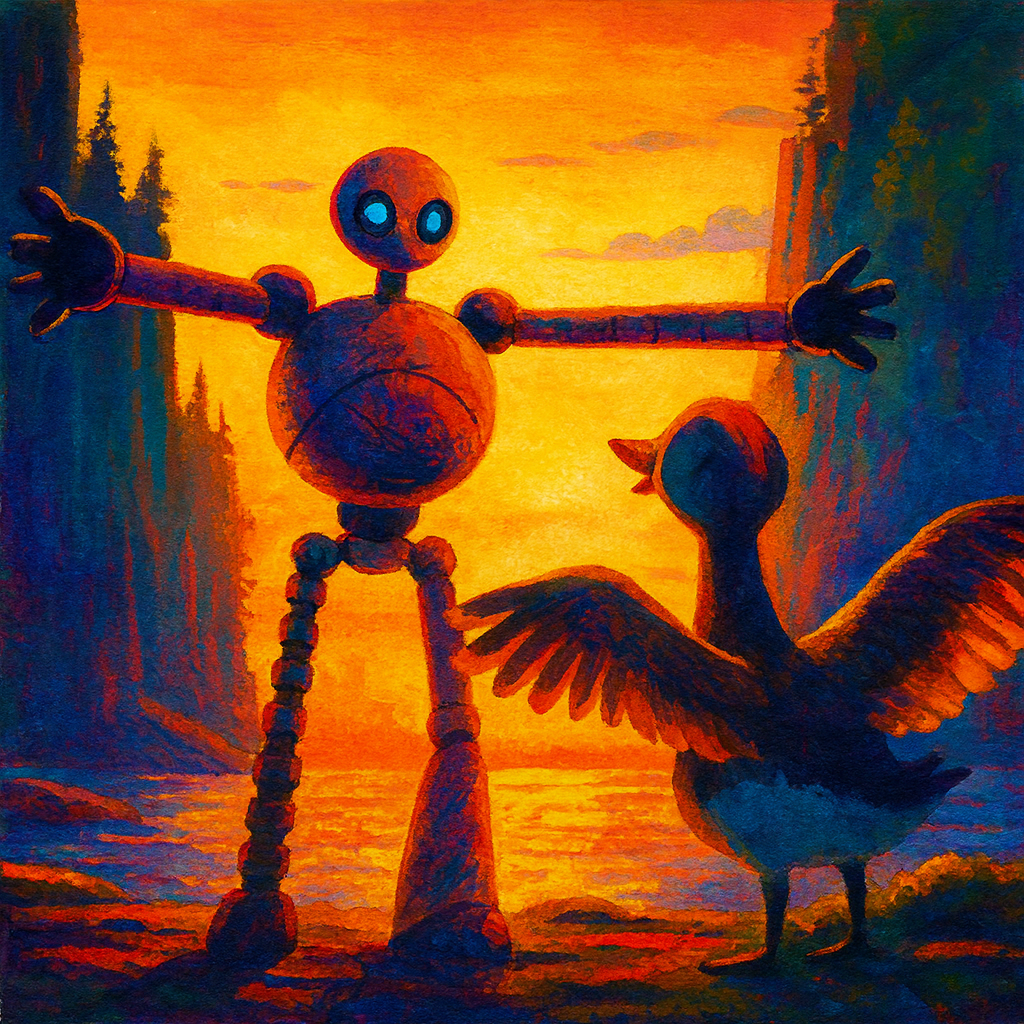
(Scene: Brightbill returns from migration fully competent, confident, and happy… and Roz stays back)
Brightbill comes back changed. He’s strong, capable, empowered, and even admired by the flock. Finally at ease among his own kind. He’s had experiences and challenges that Roz can’t fully understand. He’s building a life that isn’t centered around Roz or his dependence on her.
And Roz doesn’t do the anxious, guilt-inducing, “You never visit,” “I guess you don’t need me anymore” routine.
She doesn’t guilt him. She doesn’t cling. She doesn’t try to reinsert herself. She doesn’t take it personally that he is thriving without her.
She simply loves him. Purely. Openly. Without agenda. And she’s relieved that he succeeded and likely a little heartbroken knowing he may never need her the same way again.
This is the sacred task of “parenting the adult child.”
A lot of parents struggle here. Sometimes, to some parents, this role shift feels like a loss or rejection.
But Roz models something healthier:
You are not being phased out.
You are witnessing the success of your own parenting.
You finally got them where you spent their whole lives so far trying to get them to, and somehow, it always feels too soon. There’s a book I often recommend to clients, Doing Life with Your Adult Children: Keep Your Mouth Shut & The Welcome Mat Out by Jim Burns, and this moment reflects its entire thesis:
Welcome them with warmth.
Without judgment.
Without demands.
Without pressure to perform closeness.
Roz loves Brightbill in a way that doesn’t hold him hostage. And that’s the kind of love that keeps a child returning. And when he needed her help again, even as a grown and fully migrated goose? She was there without hesitation. That’s what we are here for.
Bonus: Humor and Softness Are Survival Skills
(Scene: Roz being unintentionally hilarious just by existing, as almost like a child herself in this strange place)
Roz is legitimately funny, and not because she tries to be, but because sincerity and awkwardness are hilarious when combined. Her softness becomes a bonding force. Her awkwardness becomes charm. Her humility becomes emotional safety.
Your quirks are not liabilities.
Your weird is connection.
Your warmth is culture.
You don’t have to parent (or live) without personality.
And then there’s the moment the robotics company comes back for her. The place she came from. The “old world” (or “Family of Origin”, if you will) that she belonged to on paper. Her original purpose and programming. But by the time they show up, she’s outgrown it all, in a way no one had ever seen coming. She’s not the Rozzum robot she was when she crash-landed.
Roz has a new identity, built through relationships, community, and chosen family. She has boundaries now. She has a self, not just a script.
And that moment is such a powerful metaphor:
Sometimes the place you come from is not the place you thrive.
Sometimes the people who “made” you don’t know you anymore.
Sometimes your growth outpaces your old ecosystem.
And sometimes returning to that old life would mean abandoning everything that healed you and made you YOU.
Roz thought she wanted to go back, until the time finally came and then she wasn’t so sure anymore. She built a family here! Roz CAN’T return to who she was. She stays on the island to fight off the company seeking to capture her and Brightbill until she realizes that not even the programmers who created her could wipe the love she felt for Brightbill and her “village” she built out of her memory.
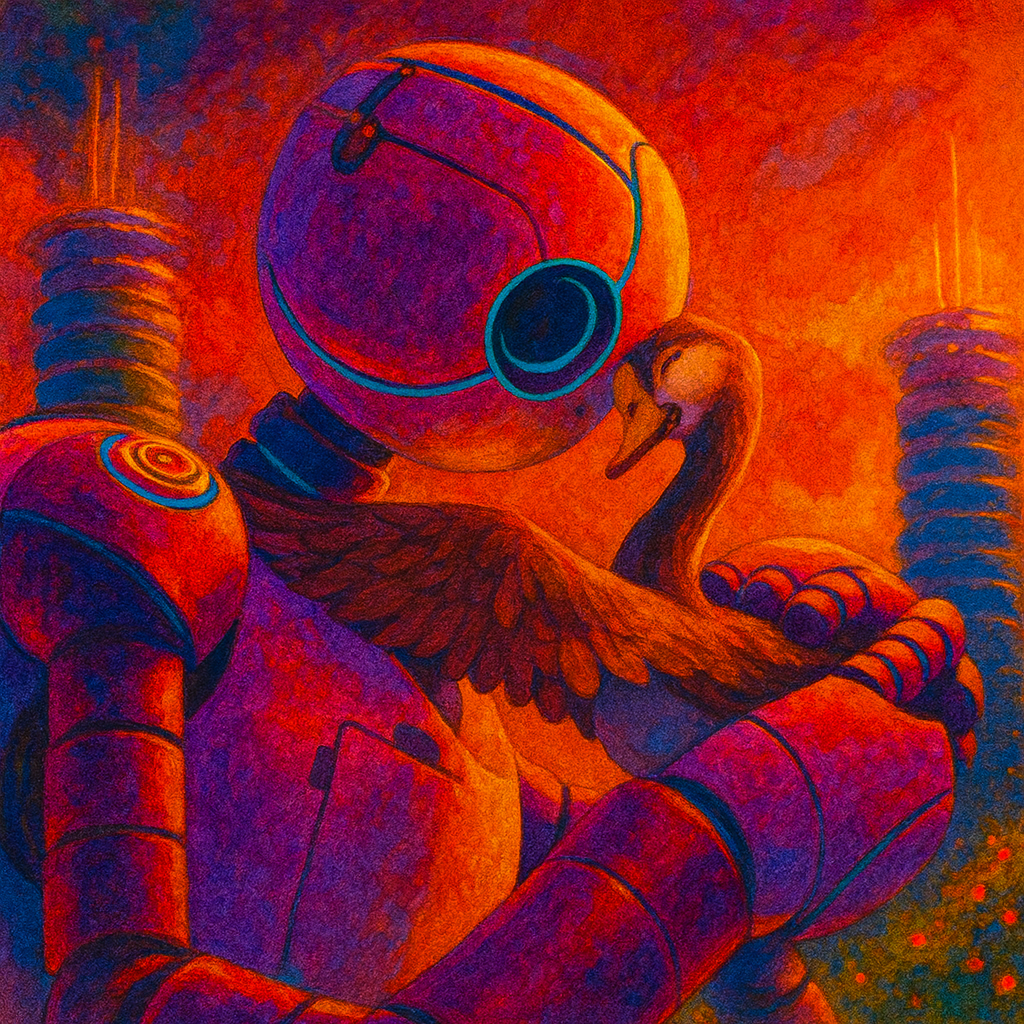
Roz makes the sacrifice of returning to her original home to protect the family she has found on the island. But she never forgets them, evidenced by the final scene when Brightbill comes to visit her in her new home, and she immediately knows him and embraces him.
Once we’ve lived in a world that let us bloom, we are never truly the same. Nothing can defeat or snuff out the true love that a humble, doting parent has for their child.
(For more on building boundaries in relationships, check out this post)
Conclusion: Becoming Real Through Love
I could write SOOO much more about this movie, y’all. But these have been the pieces that stood out the most for me, that I had to share. And I won’t lie, I cried as I wrote most of this because of how much this movie truly MOVES me. But I will do my best to round this out now:
Roz doesn’t become “real” by following her programming. She becomes real by loving the gosling she wasn’t designed to raise.
By repairing.
By learning.
By grieving.
By knowing her limitations.
By asking for help.
By building community.
By supporting identity.
By choosing humility.
By being willing to change.
If Roz can do all of this on a wild island with no manual, you’re allowed to grow into a softer, braver version of yourself too.
You don’t have to be perfect, only willing. And honestly? That’s enough.
P.S. If You Liked This Post…
If stories with unexpected emotional depth are your thing (hi, same), you might love my other post in this series:
Yet another “kids movie” that absolutely did not need to go so hard… and yet here we are.
And because I’m always looking for more films with secret therapy lessons tucked inside them:
What movie do YOU think deserves a mental-health breakdown?
Drop it in the comments or send me a message. I love getting recommendations from y’all, and I will genuinely watch all of them!